
Preview: 3 of 14 pages. Scroll sideways to see more.
$3.00
In your cart. View cart
No account needed. You get a download link.
| Grade | 6th Grade to 8th Grade |
|---|---|
| Subject | Writing |
| Format | PDF, 14 pages |
| How was this made? | Created by hand, with images from generation tools |
| Updated | 2026-10-26 |
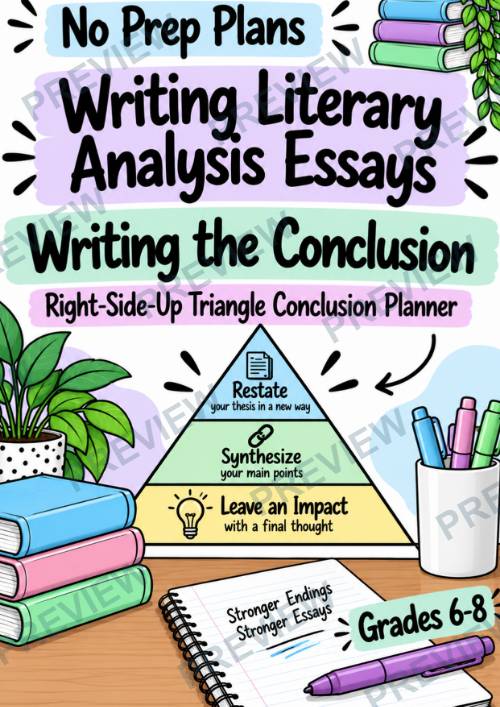
Writing Literary Analysis Essays: Writing the Conclusion | Grades 6–8
Writing Literary Analysis Essays: Writing the Conclusion | Grades 6–8
Help students write literary analysis conclusions that do more than simply repeat what they have already said. This no-prep lesson uses a Right-Side-Up Triangle Conclusion Planner to teach students how to move from a specific restated thesis to a broader, meaningful final thought.
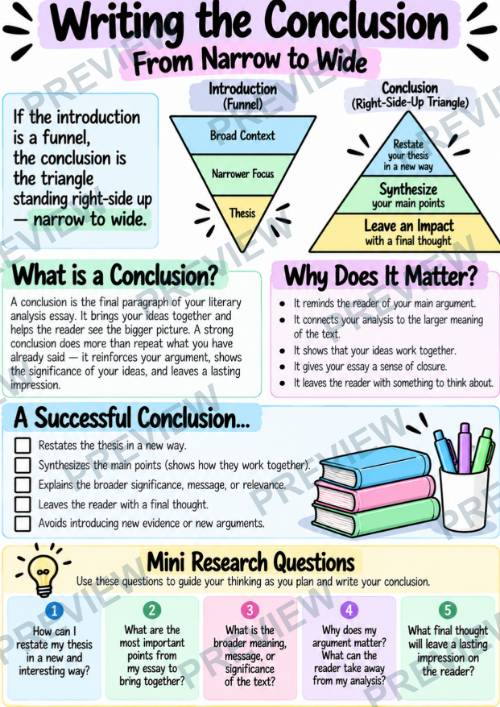
Students learn that while an introduction moves wide to narrow, a strong conclusion moves narrow to wide.
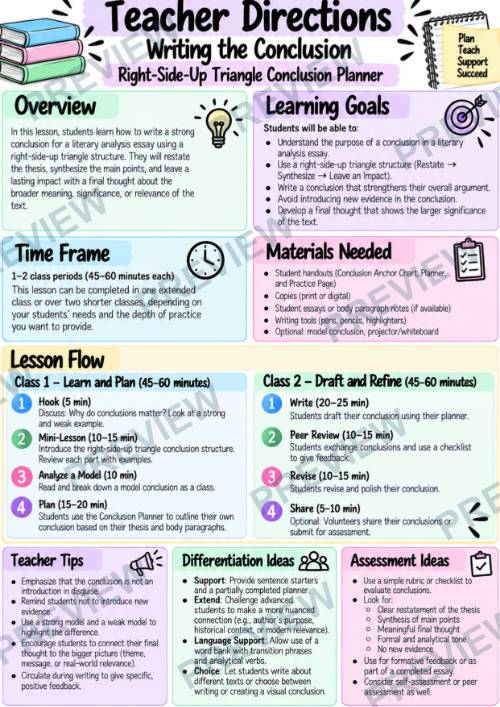
Students Will:
- Restate a thesis without simply copying it
- Synthesize main points instead of listing them
- Connect ideas to a broader meaning or message
- Apply the “So What?” test to deepen their thinking
- Avoid introducing new evidence or arguments
- Write a purposeful final sentence
- Draft and revise a complete literary analysis conclusion
What’s Included:
- Teacher Directions for 1–2 class periods
- Student Overview + Mini Research Questions
- Right-Side-Up Triangle Conclusion Anchor Chart
- 5-Step Collaborative Group Activity
- 3 Student Planning & Writing Pages
- Color + printer-friendly black-and-white student pages
Group Activity
Students become conclusion planners and work together to build a Right-Side-Up Triangle Conclusion Planner. They move from restating the thesis → synthesizing key ideas → leaving the reader with a meaningful final thought before drafting and revising a complete conclusion.
Perfect For:
- Middle School ELA
- Literary Analysis Essays
- Essay Conclusions
- Paragraph & Essay Writing
- Text-Based Writing
- Novel or Short Story Studies
- Writing Workshop
- Sub Plans
- IB MYP Language & Literature
- Grades 6–8
IB MYP Language & Literature
Supports skills commonly developed in IB MYP Language & Literature, including organizing ideas coherently, synthesizing interpretations, developing conclusions, and communicating the significance of an analysis.
IB Disclaimer: This resource is independently created and is not affiliated with, endorsed by, sponsored by, or approved by the International Baccalaureate Organization. “IB,” “International Baccalaureate,” and “MYP” are trademarks of the International Baccalaureate Organization.
·
This resource is also part of a bundle with 9 other resources
Questions
No questions yet.
Ask a question
Your question goes to No Prep Plans. Answers show on this page, without your name or email.
Sent. The answer will show on this page.
Reviews
No reviews yet. Buyers can review a resource from their order page.
More from No Prep Plans
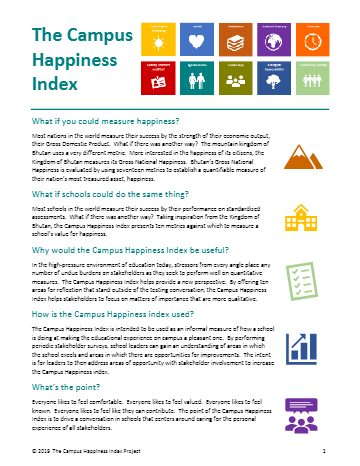
Campus Happiness Index
 No Prep Plans
$3.00
Book Labels
No Prep PlansFree
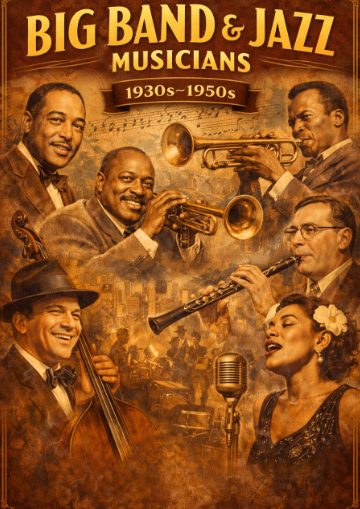
Big Band & Jazz Musicians Poster Set (1930s–1950s)
No Prep Plans$3.50
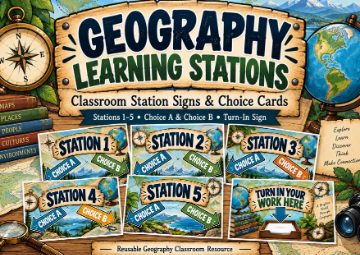
FREE Geography Learning Stations Signs & Choice Cards--Reusable
No Prep PlansFree
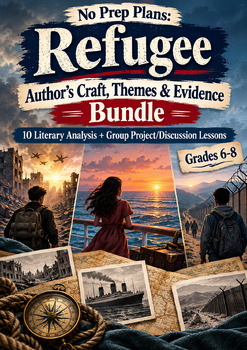
Refugee: Author's Craft, Themes & Evidence Bundle 10 Literary Analysis Lessons
No Prep Plans$29.25
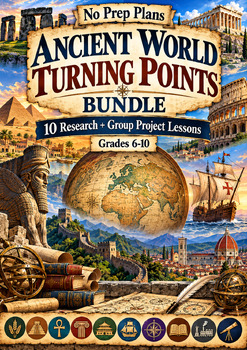
Ancient World Turning Points Bundle | 10 Research + Group Project Lessons | 6-10
No Prep Plans$29.25
Request a quote or purchase order
For schools and districts. Your request goes to No Prep Plans, who will reply to your email with a quote or invoice.
Sent. The seller will reply to your email.
Report this listing
What your notice must include
The address of the listing on Classroom Clearinghouse (for example, the /p/ link).
https://classroomclearinghouse.com/p/5b94wcdf2m
Your name, mailing address, phone number, and email.
How to report
Your name, company, mailing address, phone number, and email.
The address of each listing or store you are reporting.
https://classroomclearinghouse.com/p/5b94wcdf2m
Copyright owners can also use the DMCA notice page.
Thanks. The report is in the review queue.