
Preview: 3 of 14 pages. Scroll sideways to see more.
$3.00
In your cart. View cart
No account needed. You get a download link.
| Grade | 6th Grade to 8th Grade |
|---|---|
| Resource type | Lesson Plans |
| Subject | History |
| Format | PDF, 14 pages |
| How was this made? | Created by hand, with images from generation tools |
| Updated | 2026-10-26 |
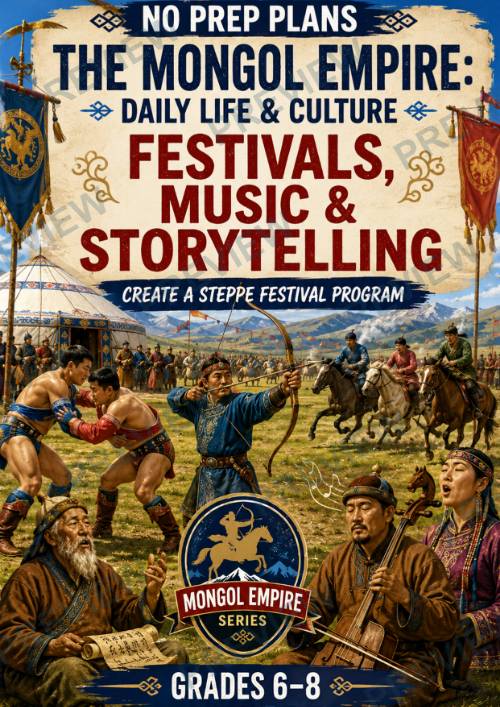
No Prep Plans Mongol Empire: Festivals, Music & Storytelling | Steppe Festival
No Prep Plans Mongol Empire: Festivals, Music & Storytelling | Steppe Festival Program
Bring Mongol festivals, music, sports, and storytelling into the classroom with this creative no-prep lesson. Students explore wrestling, horse racing, archery, throat singing, the morin khuur, and epic storytelling before applying their research to create an illustrated Steppe Festival Program.
Designed for Grades 6–8, this lesson combines historical research, cultural analysis, collaboration, and creative application in 1–2 class periods of 45–60 minutes.
What's Included
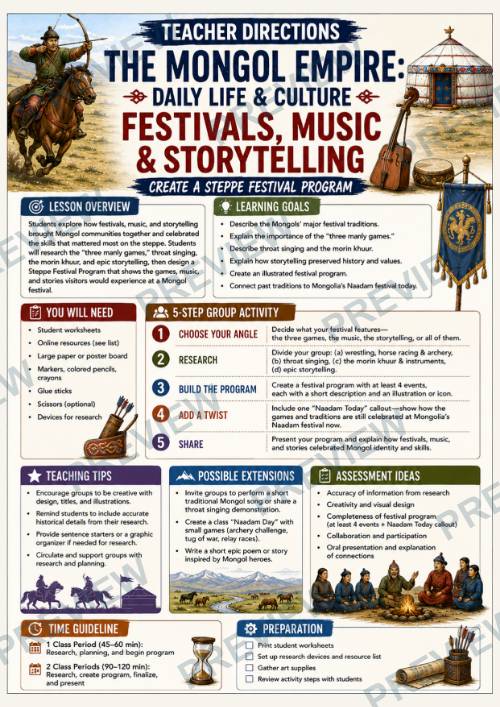
- Teacher directions
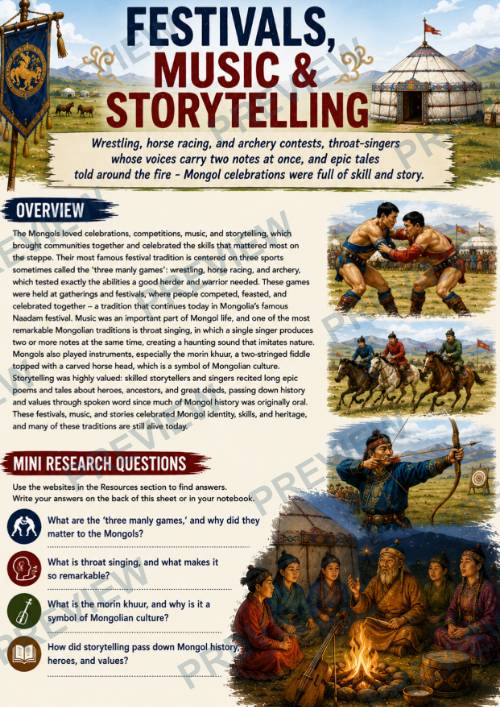
- Historical overview + mini research questions
- 5-step Steppe Festival Program group activity
- 3 student research, planning & analysis pages
- Color + black-and-white student versions
- Online research resources
Students Will Explore
Students investigate the Mongols' famous “three manly games” of wrestling, horse racing, and archery, along with throat singing, the horse-head fiddle known as the morin khuur, and the importance of oral storytelling. They examine how festivals brought communities together, celebrated important steppe skills, preserved history and values, and helped strengthen Mongol cultural identity. Students also connect these historical traditions to Mongolia's Naadam festival today.
Why Teachers Love This
- No prep and classroom ready
- Goes beyond battles, conquest, and famous leaders
- Introduces students to Mongol culture and traditions
- Connects games, music, storytelling, and cultural identity
- Builds historical thinking and cultural analysis
- Encourages students to make evidence-based inferences
- Combines research with a creative collaborative project
- Connects historical traditions to the present day
- Includes color and printer-friendly black-and-white versions
- Flexible for one extended lesson or two class periods
Perfect For
- Mongol Empire Units
- Medieval World History
- Asian History
- Middle School Social Studies
- Mongol Daily Life & Culture
- Cultural Studies
- Project-Based Learning
- History Enrichment
Part of the Mongol Empire: Daily Life & Culture Series—helping students discover the traditions, skills, beliefs, and everyday experiences that shaped Mongol society.
·
This resource is also part of a bundle with 9 other resources
Questions
No questions yet.
Ask a question
Your question goes to No Prep Plans. Answers show on this page, without your name or email.
Sent. The answer will show on this page.
Reviews
No reviews yet. Buyers can review a resource from their order page.
More from No Prep Plans
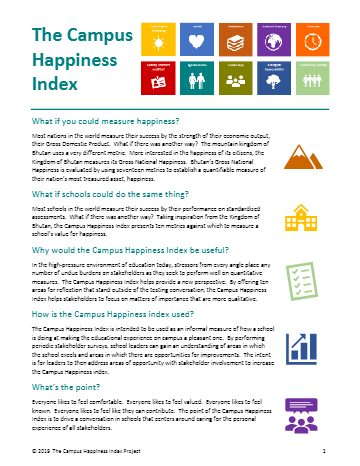
Campus Happiness Index
 No Prep Plans
$3.00
Book Labels
No Prep PlansFree

Big Band & Jazz Musicians Poster Set (1930s–1950s)
No Prep Plans$3.50
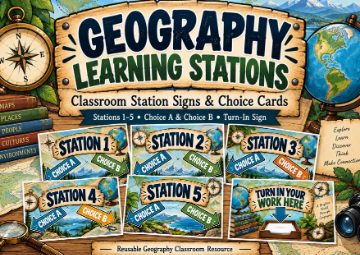
FREE Geography Learning Stations Signs & Choice Cards--Reusable
No Prep PlansFree
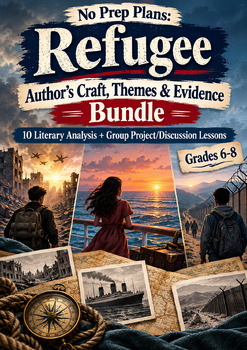
Refugee: Author's Craft, Themes & Evidence Bundle 10 Literary Analysis Lessons
No Prep Plans$29.25
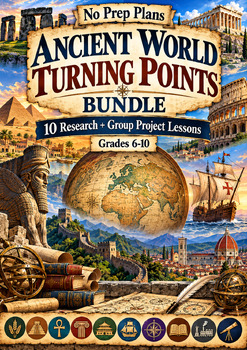
Ancient World Turning Points Bundle | 10 Research + Group Project Lessons | 6-10
No Prep Plans$29.25
Request a quote or purchase order
For schools and districts. Your request goes to No Prep Plans, who will reply to your email with a quote or invoice.
Sent. The seller will reply to your email.
Report this listing
What your notice must include
The address of the listing on Classroom Clearinghouse (for example, the /p/ link).
https://classroomclearinghouse.com/p/ps3hmtcccr
Your name, mailing address, phone number, and email.
How to report
Your name, company, mailing address, phone number, and email.
The address of each listing or store you are reporting.
https://classroomclearinghouse.com/p/ps3hmtcccr
Copyright owners can also use the DMCA notice page.
Thanks. The report is in the review queue.