
Preview: 3 of 14 pages. Scroll sideways to see more.
$3.00
In your cart. View cart
No account needed. You get a download link.
| Grade | 6th Grade to 8th Grade |
|---|---|
| Resource type | Projects |
| Subject | History |
| Format | PDF, 14 pages |
| How was this made? | Created by hand, with images from generation tools |
| Updated | 2026-10-26 |
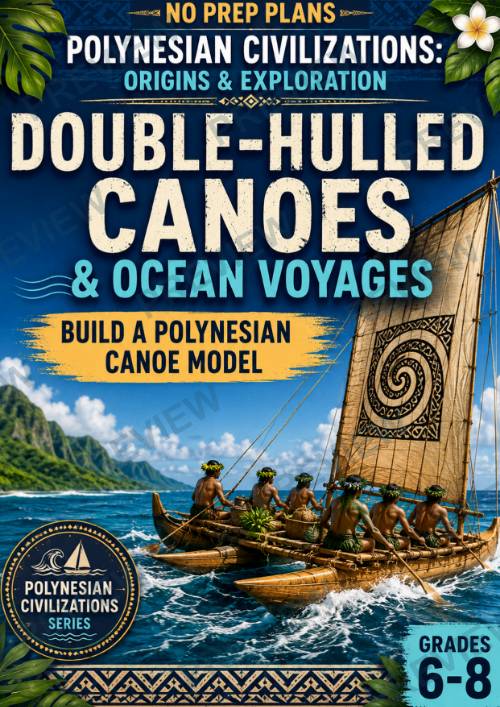
Polynesian Civilizations: Origins & Exploration --Double-Hulled Canoes
Polynesian Civilizations: Origins & ExplorationDouble-Hulled Canoes & Ocean Voyages — Build a Polynesian Canoe Model Grades 6–8 | No Prep | History + Engineering + Inquiry
How did Polynesian voyagers carry people, food, water, plants, animals, and supplies across thousands of miles of open ocean?
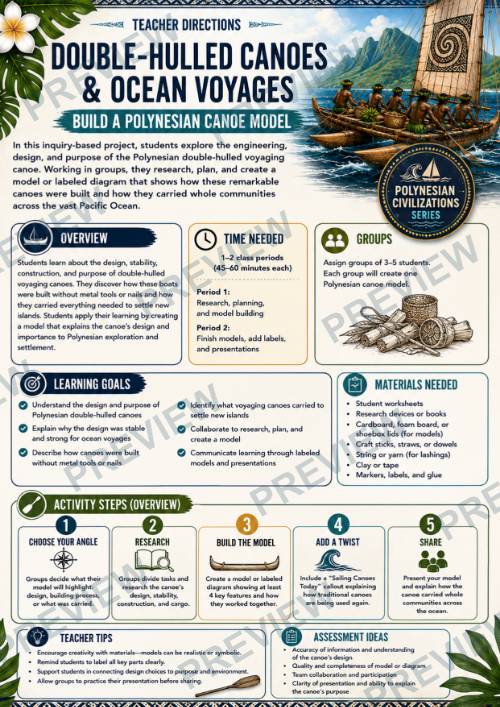
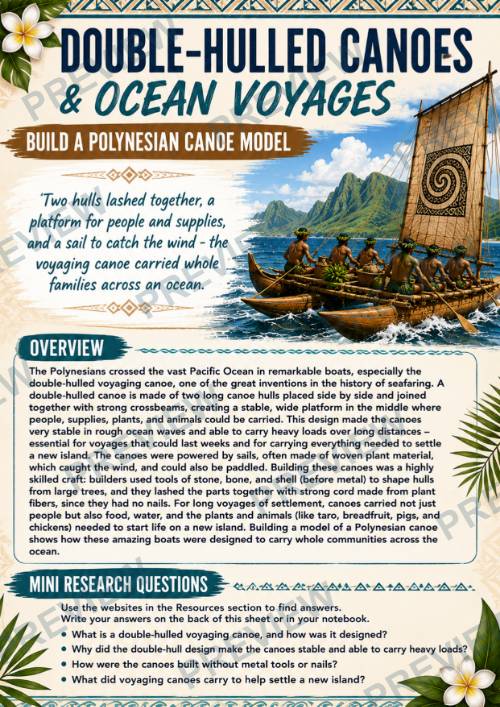
In this engaging inquiry-based lesson, students investigate the remarkable engineering behind the double-hulled Polynesian voyaging canoe. They explore how two hulls, crossbeams and lashings, a wide platform, sails, and carefully planned cargo made long-distance ocean voyages—and the settlement of distant Pacific islands—possible.
Students move beyond simply identifying canoe parts to investigate why the design worked, how builders constructed ocean-going vessels using available materials, and what voyaging communities needed to survive and establish new settlements.
What's Included
- Teacher Directions
- Lesson Overview + Mini Research Questions
- 5-Step Group Activity
- 3 Student Research, Planning & Analysis Pages
- Online Research Resources
- Full-Color Student Pages
- Printer-Friendly Black-and-White Versions
Students Explore
- The anatomy of a double-hulled voyaging canoe
- Why two hulls provided stability for ocean travel
- How platforms created space for people and cargo
- Crossbeams, lashings, sails, steering, and paddling
- How canoes were constructed without metal tools or nails
- Natural materials used by Polynesian canoe builders
- What voyagers carried to establish new island settlements
- How canoe design supported long-distance Pacific exploration
- How traditional voyaging canoes are being sailed and celebrated today
Go Beyond Basic Research
The student pages follow a purposeful progression:
Understand → Plan → Apply & Analyze
Students begin by examining the engineering of an ocean-going canoe, connecting individual design features to their purpose on a long voyage.
Next, they plan their own canoe design, determine which materials and construction methods they will represent, and consider how each feature demonstrates Polynesian engineering.
Finally, students tackle the challenge: Could your canoe cross the Pacific?
They analyze how a canoe would respond to rough waves, heavy cargo, long-distance travel, and the demands of settling a new island. A Pack the Canoe challenge requires students to prioritize limited cargo space and defend what a community would need most to establish a new home.
Builds Historical & Engineering Thinking
Students practice historical inquiry, engineering thinking, geographic reasoning, research, problem solving, design, collaboration, decision-making, and evidence-based explanation.
The final reflection asks students to bring their learning together and explain what the double-hulled voyaging canoe reveals about Polynesian engineering, exploration, innovation, and the extraordinary challenge of settling distant Pacific islands.
Perfect For
- World History
- Geography
- Ancient Civilizations
- Polynesian Civilizations
- Pacific Studies
- Exploration Units
- STEM Connections
- Engineering & Design Connections
- Project-Based Learning
- Middle School Social Studies
·
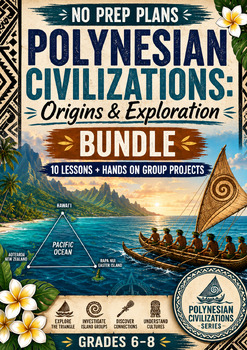
This resource is also part of a bundle with 9 other resources
Questions
No questions yet.
Ask a question
Your question goes to No Prep Plans. Answers show on this page, without your name or email.
Sent. The answer will show on this page.
Reviews
No reviews yet. Buyers can review a resource from their order page.
More from No Prep Plans
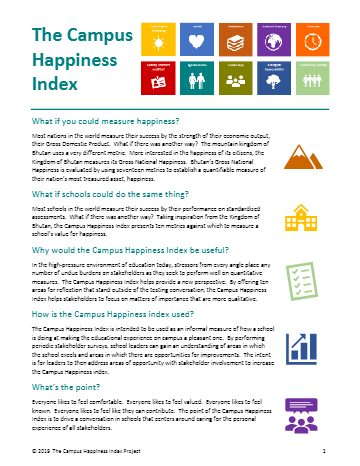
Campus Happiness Index
 No Prep Plans
$3.00
Book Labels
No Prep PlansFree
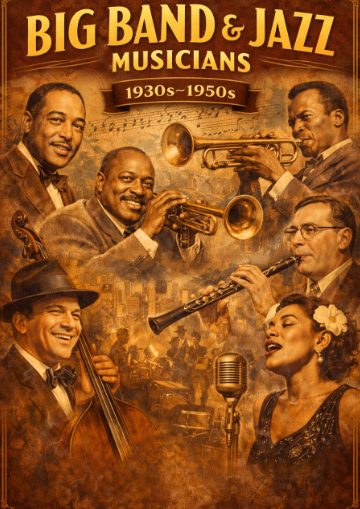
Big Band & Jazz Musicians Poster Set (1930s–1950s)
No Prep Plans$3.50
FREE Geography Learning Stations Signs & Choice Cards--Reusable
No Prep PlansFree
Refugee: Author's Craft, Themes & Evidence Bundle 10 Literary Analysis Lessons
No Prep Plans$29.25
Ancient World Turning Points Bundle | 10 Research + Group Project Lessons | 6-10
No Prep Plans$29.25
Request a quote or purchase order
For schools and districts. Your request goes to No Prep Plans, who will reply to your email with a quote or invoice.
Sent. The seller will reply to your email.
Report this listing
What your notice must include
The address of the listing on Classroom Clearinghouse (for example, the /p/ link).
https://classroomclearinghouse.com/p/kmmz6jef2x
Your name, mailing address, phone number, and email.
How to report
Your name, company, mailing address, phone number, and email.
The address of each listing or store you are reporting.
https://classroomclearinghouse.com/p/kmmz6jef2x
Copyright owners can also use the DMCA notice page.
Thanks. The report is in the review queue.