
Preview: 3 of 13 pages. Scroll sideways to see more.
$3.00
In your cart. View cart
No account needed. You get a download link.
| Grade | 6th Grade to 8th Grade |
|---|---|
| Resource type | Lesson Plans |
| Subject | Science |
| Format | PDF, 13 pages |
| How was this made? | Created by hand, with images from generation tools |
| Updated | 2026-10-26 |
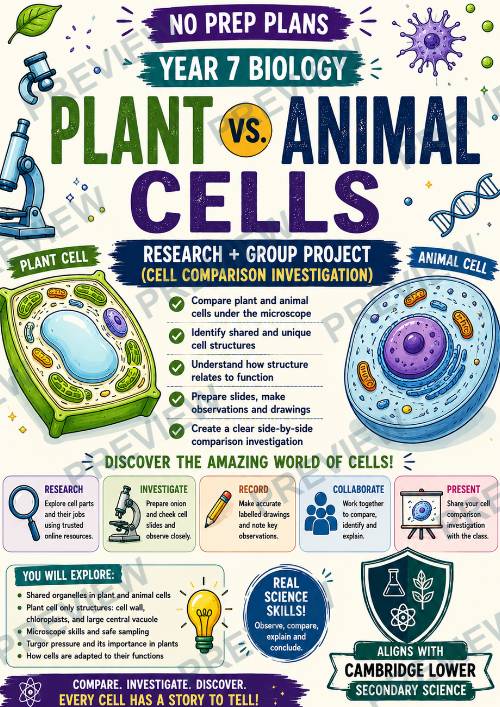
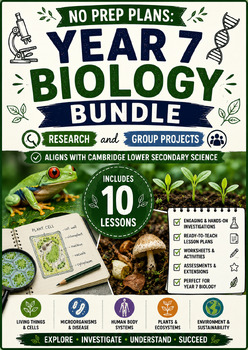
No Prep Plans: Plant vs. Animal Cells (Cell Comparison Investigation)
No Prep Plans: Plant vs. Animal Cells
Research + Group Project (Cell Comparison Investigation)
Year 7 Biology | Aligns with Cambridge Lower Secondary Science
Help students explore the fascinating similarities and differences between plant and animal cells through microscope investigations, scientific drawings, comparison activities, and collaborative research!
In this engaging Year 7 biology project, students investigate real plant and animal cells, compare organelles and structures, and create a side-by-side comparison investigation using observation, evidence, and scientific explanation.
Students Will:
• Compare plant and animal cells under the microscope
• Identify shared and unique organelles
• Create labelled biological drawings
• Investigate how structure relates to function
• Practice microscope and observation skills
• Explain findings using scientific vocabulary
• Work collaboratively to complete a comparison investigation
What’s Included:
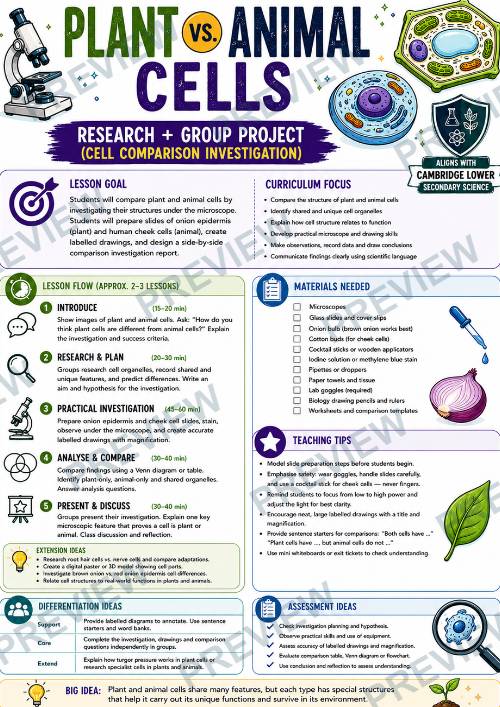
• Teacher direction page with lesson flow and teaching tips
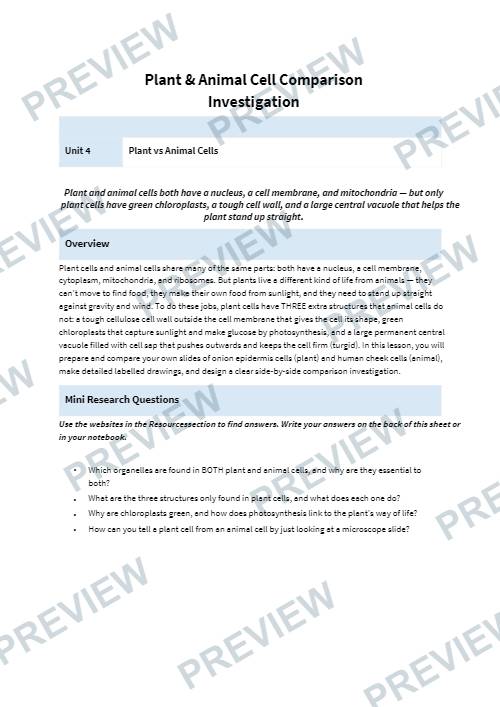
• Student planning and investigation worksheet
• Large side-by-side biological drawing sections
• Comparison investigation prompts
• Research and hypothesis sections
• Similarities and differences analysis tasks
• Color and black-and-white versions
• Reflection and discussion activities
• Online research resource suggestions
Concepts & Skills Covered:
• Plant vs animal cell structures
• Nucleus, membrane, cytoplasm, mitochondria, ribosomes
• Cell wall, chloroplasts, vacuole
• Microscope investigation skills
• Biological drawing conventions
• Observation and comparison
• Scientific reasoning and evidence
• Structure and function relationships
Perfect For:
• Year 7 Biology (US Grade 6)
• Cambridge-aligned science classrooms
• STEM and inquiry-based learning
• Microscope lab investigations
• Collaborative science projects
• Middle school life science units
• Sub plans with meaningful academic engagement
Students Investigate:
• Which organelles are shared by both cells
• Which structures are unique to plant cells
• Why chloroplasts are important for photosynthesis
• How the vacuole helps plants stay firm (turgid)
• How microscope observations provide scientific evidence
Why Teachers Love This Resource:
• Combines practical microscope skills with structured investigation
• Encourages detailed scientific observation and drawing
• Provides large student workspaces for diagrams and comparison tasks
• Includes both color and printer-friendly black-and-white versions
• Easy-to-follow layout supports independent student work
• Encourages collaboration, inquiry, and scientific discussion
• Flexible for labs, stations, group work, or sub plans
⚠️ Disclaimer:
This resource is an independent educational product created by GR Creative Creations. It is NOT affiliated with, endorsed by, sponsored by, or officially connected to Cambridge University Press & Assessment or Cambridge Assessment International Education.
References to “Cambridge Lower Secondary Science” are used strictly for curriculum-alignment purposes only. This resource was designed to support commonly taught learning objectives and scientific skills associated with Cambridge Lower Secondary Science frameworks, but it is NOT an official Cambridge curriculum publication, assessment, or approved instructional material.
·
This resource is also part of 2 bundles
Questions
No questions yet.
Ask a question
Your question goes to No Prep Plans. Answers show on this page, without your name or email.
Sent. The answer will show on this page.
Reviews
No reviews yet. Buyers can review a resource from their order page.
More from No Prep Plans
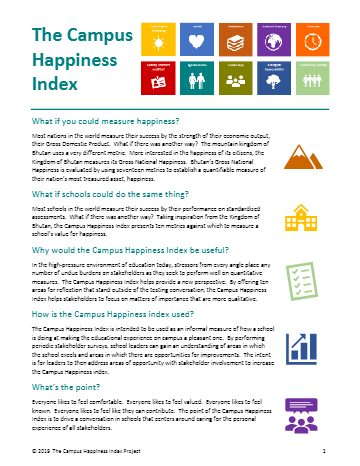
Campus Happiness Index
 No Prep Plans
$3.00
Book Labels
No Prep PlansFree

Big Band & Jazz Musicians Poster Set (1930s–1950s)
No Prep Plans$3.50
FREE Geography Learning Stations Signs & Choice Cards--Reusable
No Prep PlansFree
Refugee: Author's Craft, Themes & Evidence Bundle 10 Literary Analysis Lessons
No Prep Plans$29.25
Ancient World Turning Points Bundle | 10 Research + Group Project Lessons | 6-10
No Prep Plans$29.25
Request a quote or purchase order
For schools and districts. Your request goes to No Prep Plans, who will reply to your email with a quote or invoice.
Sent. The seller will reply to your email.
Report this listing
What your notice must include
The address of the listing on Classroom Clearinghouse (for example, the /p/ link).
https://classroomclearinghouse.com/p/dwq4cfh56x
Your name, mailing address, phone number, and email.
How to report
Your name, company, mailing address, phone number, and email.
The address of each listing or store you are reporting.
https://classroomclearinghouse.com/p/dwq4cfh56x
Copyright owners can also use the DMCA notice page.
Thanks. The report is in the review queue.